


Nasdaq lost 1.4%. SMH headed for another weekly drop. Oil jumped 4%. Hormuz traffic fell near a three-week low.
The week ended with the premium reset still in control.
Oil rose 4.5% to $82.5. The 10-year yield eased to 4.54%. Gold gained 0.77%.
Tthe market stopped waiting for next week’s earnings. It sold the names that had already carried the year.
Chips fell again. Netflix (NFLX) dropped more than 6% after its forecast failed to calm growth worries. The S&P is now down more than 1.6% for the week. The Nasdaq has slipped more than 4%. The Dow is lower by 1%.
The morning asked whether acceleration still earns the premium.
The close said only proof earns it now.
Warren Buffett Once Passed on Amazon
"I was too dumb to realize it. I did not think Bezos could succeed on the scale he has."
By the time most people saw what Amazon was doing to retail, it was too late to get in early.
History is offering a second chance.
Mode Mobile is doing to the $1T+ smartphone industry what Amazon did to retail — turning everyday phones into money-making machines.
The traction is already there:
- 490M+ users earning passive income from their phones
- $1B+ saved and earned by users worldwide
- 32,481% revenue growth — Deloitte's #1 fastest-growing software company
- $115M+ in revenue and climbing
People spend 30+ hours a week on their phones. Mode figured out how to monetize that time and pay users directly.
They've secured the $MODE ticker from Nasdaq — signaling plans to go public soon.
Unlike Amazon, you can still get in early…
Tap into a $1T opportunity — invest now at just $0.52/share and get up to 20% bonus!
Disclaimer: Please read the offering circular and related risks at invest.modemobile.com. This is a paid advertisement for Mode Mobile’s Regulation A+ Offering. Mode Mobile recently received their ticker reservation with Nasdaq ($MODE), indicating an intent to IPO in the next 24 months. An intent to IPO is no guarantee that an actual IPO will occur. The Deloitte rankings are based on submitted applications and public company database research, with winners selected based on their fiscal-year revenue growth percentage over a three-year period.
The AI reset spread from chips into the whole tape.
Semiconductors remained the pressure point. SMH is on pace for its third weekly decline in four weeks and is down more than 8% over that stretch.
TSMC (TSM) raised its 2026 capital spending forecast to $60 billion to $64 billion, up from $52 billion to $56 billion. The market did not treat that as clean demand strength. It treated it as higher cost.
Arm (ARM), Micron (MU), AMD (AMD), SK Hynix (SKHY), and other chip names stayed under pressure.
Then Moonshot AI added a new worry. The Chinese startup unveiled a model it says narrows the gap with top U.S. offerings. That pushed investors to ask whether heavy AI spending is still earning enough distance from competitors.
The Cost Question
The AI trade is no longer judged by spending. It is judged by the return on that spending.
Netflix turned the same rule into an earnings problem.
Netflix beat. It still fell more than 6% because guidance did not reset the growth story high enough.
That was the week’s pattern.
CPI cooled. Banks beat. Economic data held. Earnings were mostly fine. But the market stopped rewarding “fine.”
The acceleration bar moved higher.
Next week, Alphabet (GOOGL), Tesla (TSLA), Intel (INTC), Texas Instruments (TXN), and the industrial complex start answering that same question.
Do they confirm the cycle, or raise the next one?
The Guidance Bar
Confirmation is now the floor. Acceleration is the premium. Netflix showed what happens when the guide does not lift the ceiling.
Louis: The "Strawberry Problem" Is Stalling the AI Revolution

Billion-dollar tech investor Louis Navellier calls it "AI's darkest secret." Until AI models solve the "Strawberry Problem," they'll never create new breakthroughs in medicine, energy, or quantum computing. The good news? One company is about to solve the crisis… unleashing a new $100 trillion opportunity.
This ad is sent on behalf of InvestorPlace Media at 1125 N. Charles Street, Baltimore, Maryland 21201. If you're not interested in this opportunity, please click here.
Oil became the second hit.
WTI traded above $81. Brent rose above $86 after fresh U.S. strikes and more reported Iranian attacks in the region.
The bigger signal was traffic.
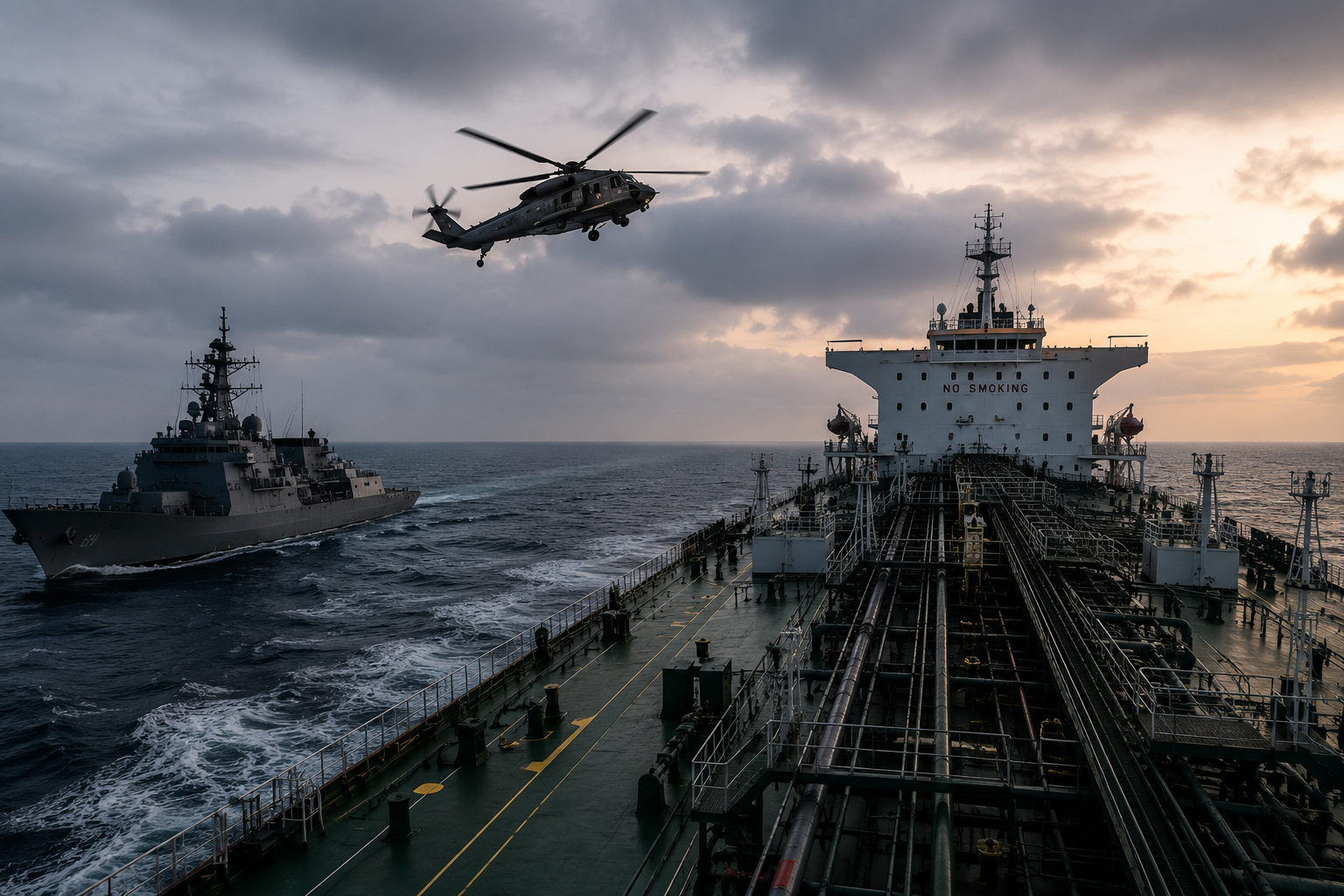
Oil tanker flows through Hormuz fell sharply as Iran stepped up attacks on ships. At least nine ships have been attacked since July 6, according to the International Maritime Organization.
Kpler said transits fell to eight ships Thursday from 15 the day before. Before the war, more than 100 ships crossed daily.
One mariner was killed and three were injured on the Al Bahyah. Eleven mariners were injured on the Mombasa B.
Hormuz is technically open. Fear is keeping ships away.
The Open Strait Problem
A route can be open on paper and broken in practice. That gap is now the oil premium.
Prediction markets kept pointing to a long disruption.
Hormuz normal by August 31 sits at 12%. September 30 is 24%. December 31 is 53%.
A final U.S.-Iran nuclear deal by September 30 is 12%. December 31 is 30%.
The Fed market stayed calmer. July no-change sits at 94.4%. A 25 basis point hike is 5%. October is less clean. No-change is 67%. A 25 basis point hike is 18%. A cut is 8%.
World Cup odds held their final shape. Spain leads at 59%. Argentina sits at 41%.
Two Fed officials broke blackout convention Friday. Cleveland's Hammack said businesses are asking the Fed to act on inflation. Dallas's Logan called for modestly higher rates. Neither can influence next week's meeting directly. Both signal the Fed's internal debate is widening in real time.
The Blackout Break
Markets can price prediction contracts and Fed odds. They cannot easily price two officials openly signaling hikes while the chair is legally silent.
He predicted the 2008 financial crisis…
He predicted Trump’s election in 2016….
He even predicted the rise of COVID-19 writing:
“The chance we don’t have something on the scale of a national pandemic in the next few years is near zero”
That was three months before the first reported case.
If he’s right again, God Bless America…
Because this crisis will be tectonic in scale…and it's going to begin with the bubble popping in AI.
Friday closed the week with one clean verdict.
The market is no longer broad enough to absorb an AI reset and an oil spike at the same time.
That is why the selloff mattered.
If oil had fallen, maybe chips could have corrected alone. If chips had held, maybe Hormuz could have stayed a macro overhang. But both moved against the tape.
The Nasdaq lost because AI leadership weakened. The S&P lost because that leadership is load-bearing. The Dow lost because oil and geopolitics kept the macro risk alive.
The Fed helped only so much.
July hold odds near 94% are supportive. They are not enough when the market is questioning the most expensive trade on the board.
The Double Hit
The tape can live with one problem. Friday gave it two: AI cost pressure and oil route fear.
The week ended where the morning letter started.
Acceleration met its test.
Chips failed first. Netflix failed next. Oil made the reset harder. Hormuz traffic showed the route is open but not usable enough. Prediction markets kept the disruption timeline long.
What is priced: a July Fed hold, no quick Hormuz recovery, Spain leading the World Cup board, and a tougher AI earnings bar.
What is not priced: Brent holding above $86, SMH extending its losing streak, Moonshot forcing a wider AI competition reset, or next week’s megacaps confirming the same guidance problem.
The week’s lesson is simple.
Markets no longer pay for being right.
They pay for getting more right than expected.
Capital moves early. Coverage catches up. The gap between the two is worth watching.
