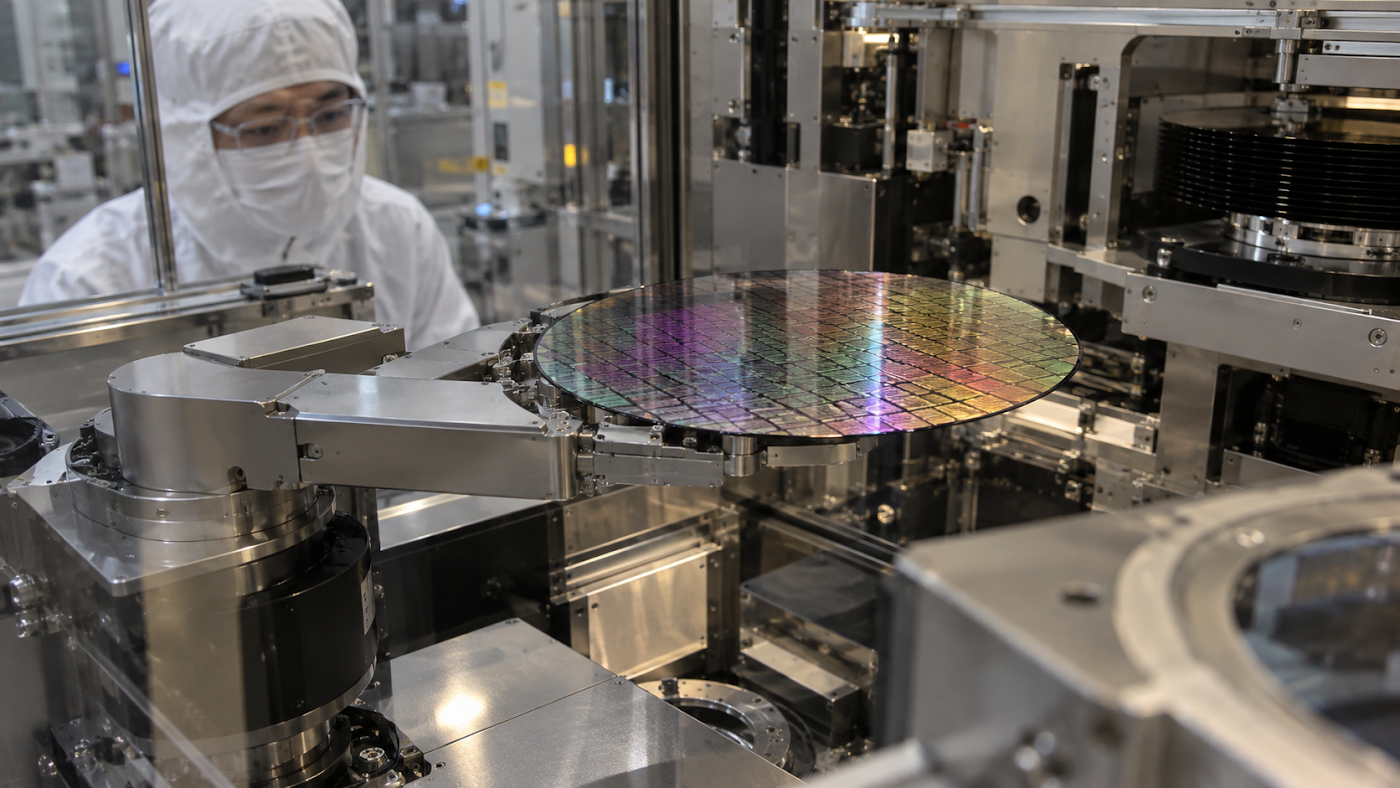
THE DAILY PULSE The AI selloff deepened on Thursday, while bond yields kept falling.S&P 500 futures slipped about 0.3% early Thursday, and Nasdaq-100 futures fell about 1.2%. Dow futures rose about 0.3%. The 10-year Treasury yield fell to about 5.1%, a three-week low. Brent fell about 1.4% to near $104.50, gold rose about 1.8% to near $4,180, and bitcoin traded near $80,900. Bitcoin fell overnight even as the odds of an October Fed hike faded. U.S. spot bitcoin funds had $261.4 million of net outflows on Wednesday, after about $176 million of inflows on Tuesday. Bonds found buyers. AI's borrowers did not. THE LEAD SIGNAL The AI selloff has moved from stocks into the market that insures debt.The cost of insuring AI borrowers' debt against default hit records overnight. Swaps on Oracle (ORCL) debt widened 26 basis points to a record 288, S&P Global data showed. CoreWeave's swaps passed 1,000 basis points, and its bonds due 2032 traded near 77 cents on the dollar. Swaps on several of the largest tech companies also hit record wides, at far lower levels. South Korea's Kospi fell 7.6% after tripping a circuit breaker, and Japan's Nikkei closed down 4.9%. TSMC posted a record quarter overnight and said it is planning cautiously for 2027. Net income rose 69% from a year earlier to NT$763.1 billion, ahead of forecasts. Revenue of $46.72 billion topped its own guidance, and it expects fourth-quarter sales to rise about 14% at the midpoint. Chief Executive C.C. Wei said TSMC is being "prudent" in its planning for 2027. Its U.S.-listed shares were down about 2% before the open. Demand Strong, Funding Dear TSMC still describes AI demand as extremely robust, and its sales guide points higher. The strain sits with the companies that borrow to buy capacity. Default insurance on Oracle and CoreWeave priced that strain overnight, and Seoul's chipmakers fell the same night. If index credit spreads follow the single names wider, new data centers get more expensive to fund. If they hold, the stress stays with the most leveraged builders. THE ARCHITECTURE Prices ran hot, yet longer-term Treasury yields ended the day lower.September consumer prices beat forecasts, and the 10-year yield still finished Wednesday lower. It touched about 5.33% after the report and closed at 5.19%, down two basis points. The two-year yield rose three basis points to 4.82%. Futures put the chance of an Oct. 28 rate hike near half on Wednesday morning, then about 26% overnight, CME FedWatch data showed. Producer prices and retail sales for September are due at 8:30 a.m. Economists expect producer prices up 0.5% on the month and retail sales up 0.3%. Private investors are still paying up for AI computing capacity. Modal raised $750 million at a $15.75 billion valuation, about 3.4 times its May price. The company says it has passed a $1 billion annualized run rate, which is not audited revenue. Cheaper Money, Pricier Risk A hot inflation report lifted short-term yields and left the 10-year lower. Lower Treasury yields have not eased borrowing costs for AI's most indebted builders. Modal's price was set privately and is tested far less often than CoreWeave's bonds. Strong retail sales this morning would argue for higher yields again. A weak report would side with the bond rally. FROM OUR PARTNERS They recommended Amazon, Microsoft, Nvidia, Palantir, and more…Now, two financial legends have joined forces to show Americans how to protect and grow their wealth… Because as they reveal, Artificial Intelligence is about to change everything during America’s New 1776 Moment. 
Click here for the full story... THE CROSS-CURRENTS Oil fell overnight, even as two more ships hit in Gulf attacks went down.Brent fell faster than U.S. crude overnight, narrowing the gap between the two benchmarks. Washington is weighing easing sanctions on some shadow-fleet tankers, a U.S. official told Reuters. The aim is to let them carry "legal oil" out of the Gulf. Saudi Arabia pumped 8.3 million barrels a day in September, the International Energy Agency said. That was up from about 6 million in August. Singapore said the container ship GFS Pride sank after what it described as a projectile strike, with all 21 crew safe. Iran's Revolutionary Guards say the ship hit a mine. Data from the UN shipping agency showed the Cape Dao, a bulk carrier hit in September, also sank. Diesel is carrying the oil shock into the wider economy. Household fuel oil prices rose 15.3% in September and are up 74.2% from a year earlier. Higher oil prices came up in every Fed district report in the Beige Book, and firms are adding fuel surcharges. A Ukrainian drone attack set Russia's Ryazan refinery on fire overnight, the regional governor said. Cheaper Crude, Sticky Costs Crude fell overnight with no single cause. Gulf supply is recovering, and Washington may free up more tankers. Costs already in the pipeline keep moving through surcharges and contracts as they reset. A lasting drop in crude would slow that pass-through only with a lag. Another sinking or refinery strike could reverse the overnight move quickly. PARTNER SPOTLIGHT There's a HUGE Downside to This Bull Market (And It's Not a Crash)It's hard to deny we're in a bull market. Stocks, real estate, gold, and bitcoin are hitting record highs month after month. But one multi-millionaire investor says this is unlike any bull run we've seen before. "There's a dark reason why so many assets are levitating—it's a sign we've entered the Most Terrifying Bull Market in History." For the full story, click here. 
FINAL FRAME Thursday opens on a split between AI demand and the cost of funding it. TSMC posted a record quarter, and Oracle's default insurance hit a record. Bonds rallied after a hot inflation report, and hike bets faded. Oil fell even as two more ships went down. This morning's data will show whether the bond market's read holds. Capital moves early. Coverage catches up. The gap between the two is worth watching. 3 STOCKS OUR SIGNAL ENGINE SAYS TO WATCH CAREFULLY Three stocks. Three signals. Two weeks later, the story changed.On September 2, we published three market questions around KLAC, HPE and PG&E.
Two weeks later, every one of them produced new evidence. One company delivered record revenue and raised its outlook.
Another saw weakness spread across its entire peer group.
And in the third, a market risk that had only been showing up beneath the surface suddenly became explicit.
Yet none of these stories is finished. That’s why we built Market Tell.
To track the signals that keep moving after the headline is gone — and show you what investors should be watching next. We’ve put the latest analysis into a new FREE Special Report:
3 Stocks at a Major Turning Point See what changed… what still hasn’t been resolved… and the signals we’re watching now. Get the Free Report → |