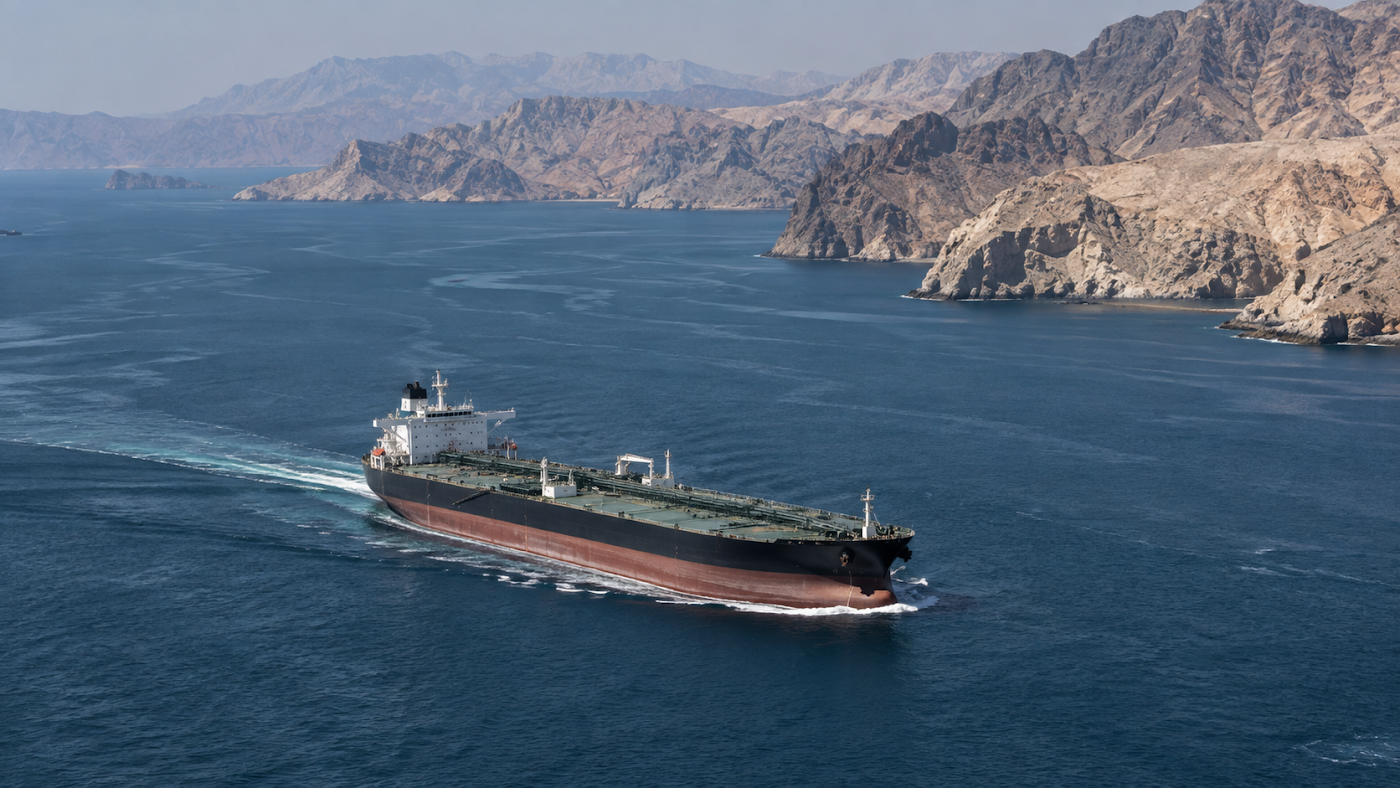
THE DAILY PULSE Friday opens with a small bid and a larger question.S&P 500 futures gained about 0.3%. Nasdaq-100 futures rose 0.5%. Dow futures added roughly 121 points after stocks held flat Thursday while the bond market kept pressing risk. The relief is narrow. The 10-year yield stayed near 5.17% after reaching about 5.22%, its highest level since 2007. The 30-year sat around 5.46% after hitting levels not seen since 2004. Oil eased, but not enough to end the story. Brent traded near $106. WTI stayed near $94 as traders weighed a phased U.S.-Iran deal that could reopen Hormuz. That is the split. Stocks are trying to stabilize. Bonds are still tight. Oil is still high. Shipping is still damaged. Prediction markets show the same gap. Saudi East-West pipeline restart odds by September 30 fell to 36%. October 15 sits at 59%. October 31 sits at 74%. Hormuz traffic returning to normal by September 30 is below 1%. Traditional markets are buying the pause. Prediction markets are asking whether the system can actually reopen. This is where prediction markets offer a lens traditional indicators do not. PREMIER FEATURE Nuclear Stocks Are Doing Something UnexpectedNuclear energy is moving back into the spotlight as power demand surges and grid reliability becomes a priority. Cash flow is improving, long-term contracts are locking in revenue, and capital is rushing back into parts of the sector that were ignored for years. Our analysts believe this shift is happening faster than most investors realize. Their FREE report reveals 7 Top Nuclear Stocks to Buy Now — including high-growth uranium plays and steadier contract-backed names. Get the full list free now before it disappears behind the paywall. THE LEAD SIGNAL The lead signal is that relief moved from price to process.Earlier this week, oil falling was enough. It lowered yields, lifted tech and gave the market a simple story. That story is over. Now the market needs proof that routes are returning, not just headlines that talks are moving. Iran has offered to reopen the Strait of Hormuz and restart nuclear talks within seven days if Washington accepts Tehran’s terms. The terms include reduced military pressure and relief from the blockade on Iranian ports. That sounds like progress. The traffic data says the system is still stuck. Preliminary tracking showed only nine commodity-vessel transits on Thursday, down from 14 the day before and far below normal. The prediction books agree. Hormuz traffic normal by September 30 sits below 1%. November 1 is 9%. December 1 is 14%. December 31 is 24%. The Talk-to-Traffic Gap Diplomacy can lower oil. Shipping data decides whether relief holds. THE ARCHITECTURE The bond market is still the gatekeeper.The 10-year stayed near 5.17%, and the 30-year held near 2004 highs. That matters because the market can handle a pause in selling. It cannot build a durable rally while the long end keeps tightening financial conditions. Thursday’s evening letter said the tape held at the index level while pressure moved underneath it. Friday starts with the same setup. The pressure is not only oil. It is inflation, deficits, strong data and the Fed path. Markets still price roughly a 68% chance of another hike in October. The long end turns every relief headline into a test. Lower oil helps. A stronger dollar helps. A truce extension helps. But none of them matters if the 10-year keeps trading like restraint is not high enough. The Rate Ceiling Futures can bounce. The long end decides how far. FROM OUR PARTNERS 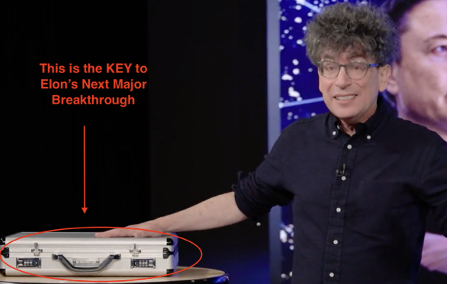
Renowned tech investor James Altucher – the man who called the rise of Nvidia, Apple and SpaceX years in advance – just uncovered Elon Musk’s latest breakthrough idea… And according to James, it’s going to be even bigger than the SpaceX IPO – creating up to 1.8 million new millionaires over the coming years. The pieces behind it are inside this briefcase – which he reveals 100% FREE in this video. Click here now for all the details. THE CROSS-CURRENTS The route map is improving in headlines and weakening in contracts.The U.S. and Iran are still discussing a phased agreement. Iran would reopen Hormuz. Washington would lift its economic blockade. At the same time, President Trump and President Xi are discussing trade, AI, Taiwan and Iran, with Washington seeking China’s help in encouraging a settlement. That links oil to trade. The U.S. and China extended their trade truce into January, which gives both sides more time to negotiate a broader agreement. But a two-month extension is not a final deal. It delays the tariff deadline and keeps talks alive. The route books are more cautious. The Saudi pipeline restart by September 30 is 36%, down from 52% last night. October 31 is 74%, down from 79%. Kalshi’s Hormuz timeline is longer. Traffic normal before April 2027 sits at 36%. Before July 2027 sits at 43%. Before January 2028 sits at 53%. The Slow Route Talks can move fast. Traffic, pipelines and freight move slower. THE FORETELL LENS Prediction markets are useful today because they split the system into three clocks.The first clock is immediate price. Oil eased modestly on Hormuz talks, and futures bounced. The second clock is physical repair. Saudi pipeline restart odds by September 30 sit at 36%, October 15 at 59%, and October 31 at 74%. That says the market sees improvement, not completion. The third clock is normal flow. Hormuz traffic normal by December 31 sits at 24% on Polymarket, while Kalshi prices normal traffic before January 2028 at 53%. That spread matters because the market often treats oil relief as one signal. The contracts break it into steps: talks, repair and traffic. The prediction-market business now has its own clock too. Kalshi’s sports-contract expansion is testing whether event contracts are federal derivatives or state-regulated sports betting. The Third Circuit sided with federal treatment. The Ninth Circuit allowed state gaming rules to apply. New Jersey has asked the Supreme Court to step in. That is the venue version of the same problem. A national market still needs a rulebook that clears state lines. The Rulebook Clock Contracts price events. Courts decide where those contracts can trade. FINAL FRAME Friday begins with a small rebound and several unresolved clocks.Futures are higher. Oil eased. Hormuz talks are alive. The U.S.-China truce now runs into January. But the 10-year remains above five, the 30-year sits near 2004 highs, pipeline odds weakened, and Hormuz traffic is far from normal. What is priced: September 30 pipeline restart at 36%, October 15 at 59%, October 31 at 74%, Hormuz traffic normal by December 31 at 24%, and Kalshi traffic normal before January 2028 at 53%. What is not priced: talks failing after the summit, Hormuz traffic staying near emergency levels, the 10-year holding above 5.2%, or courts limiting prediction-market access state by state. The market has a bid. The system still needs clearance. Capital moves early. Coverage catches up. The gap between the two is worth watching. 3 STOCKS OUR SIGNAL ENGINE SAYS TO WATCH CAREFULLY Three stocks. Three signals. Two weeks later, the story changed.On September 2, we published three market questions around KLAC, HPE and PG&E.
Two weeks later, every one of them produced new evidence. One company delivered record revenue and raised its outlook.
Another saw weakness spread across its entire peer group.
And in the third, a market risk that had only been showing up beneath the surface suddenly became explicit.
Yet none of these stories is finished. That’s why we built Market Tell.
To track the signals that keep moving after the headline is gone — and show you what investors should be watching next. We’ve put the latest analysis into a new FREE Special Report:
3 Stocks at a Major Turning Point See what changed… what still hasn’t been resolved… and the signals we’re watching now. Get the Free Report → |