


Nvidia rose as SpaceX chose its chips. AMD beat and fell. ADP printed 44,000. ISM services prices stayed above 70.
The index held. The leadership split.
Oil slipped 0.9% to $75. The 10-year held at 4.62%. Gold jumped 3.7% just over $4,300. The dollar traded lower
The market did not sell AI. It sorted it.
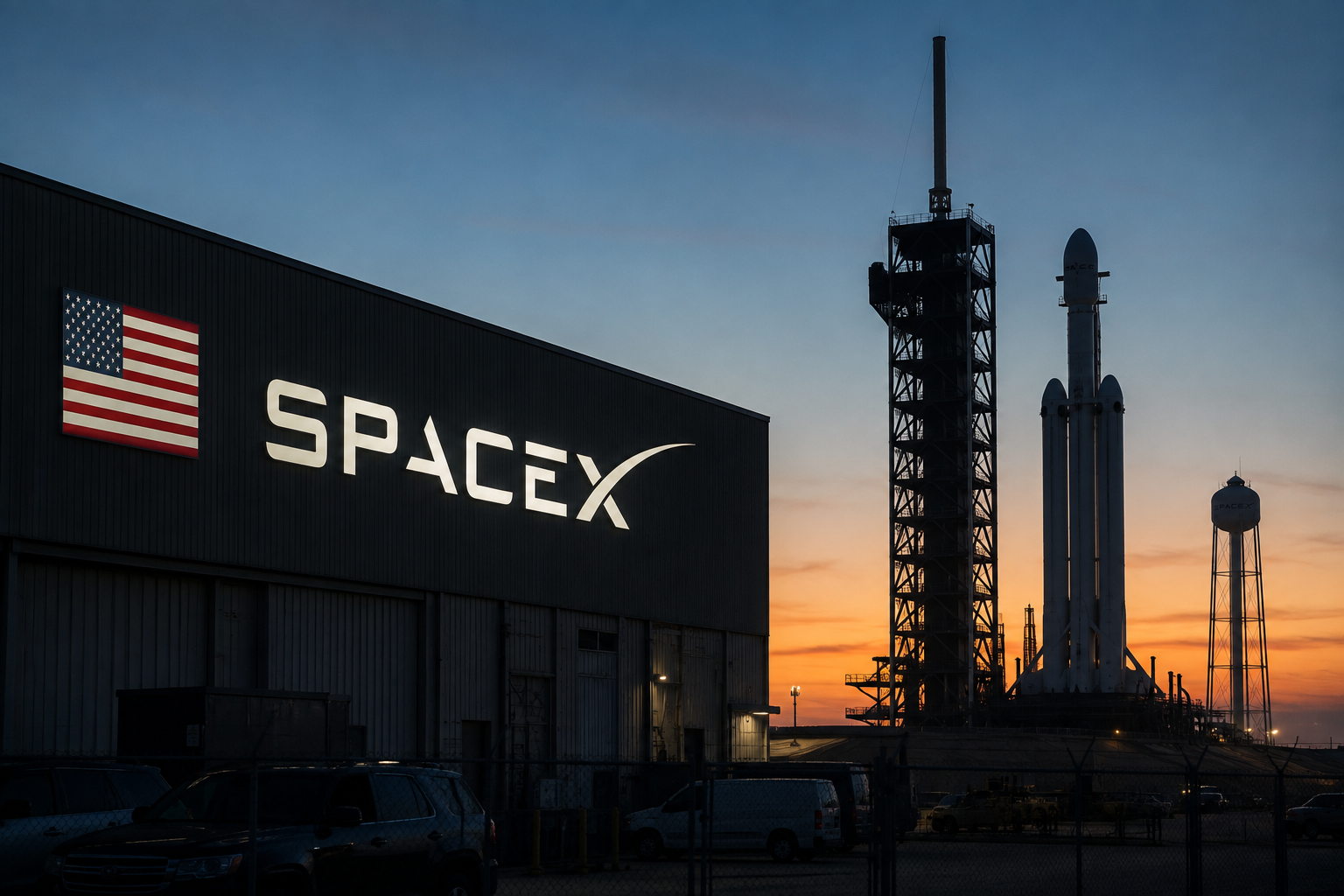
Nvidia (NVDA) rose almost 3.5% after Elon Musk said SpaceX will use Nvidia processors exclusively for future AI infrastructure. AMD (AMD) fell 7% after a beat that was not enough. SpaceX (SPCX) dropped 13.5% after capex jumped sixfold to $18.4 billion.
Alphabet (GOOG) slid 4% after reshuffling its AI division and losing chief scientist Jeff Dean after 27 years.
The rally is still alive. The customer list is doing the work.
The REAL Reason 2,000 Missiles Rained on Iran
Forget terrorism. Forget oil prices. Forget everything the evening news told you.
After two private meetings with U.S. Congressmen on March 2nd — and weeks of digging into what those conversations uncovered — I'm convinced we launched those strikes for a completely different reason.
If you have even a single dollar invested in the U.S. stock market, what I've found will directly impact you — starting August 12th.
AMD beat the quarter. Nvidia got the allocation.
AMD reported revenue of $11.5 billion, up 50%. Data center revenue more than doubled to $6.7 billion. Management guided the next quarter near $13 billion, above the $12.5 billion consensus.
Margins held too. Adjusted gross margin stayed at 56%, and management guided the same level again.
That should have cleared the bar.
It did not.
The other call changed the read. SpaceX said its future AI buildout will run exclusively on Nvidia processors. Musk called Vera Rubin the best AI computer available.
That is why AMD fell while Nvidia rose.
The Allocation Price
The chip trade is no longer just about who can ship. It is about who the biggest buyers choose.
The macro data did not give the Fed an all-clear.
ADP showed private payrolls rose only 44,000 in July. That missed expectations and pointed to softer labor.
But services did not cool cleanly.
The ISM services index came in at 54.1. The prices index rose to 70.3. Employment fell to 47.4.
That is the Fed’s problem in one print. Hiring is soft. Prices are not.
Polymarket prices September no-change at 53%. A 25 basis point hike sits at 45%. October no-change is 69%, with a hike at 23%.
That is less hawkish than last week. It is not dovish.
Warsh is also weighing fewer Fed meetings as part of his push for less guidance. Each data print would carry more weight.
The Data Fed
A Fed that speaks less forces the tape to read the data louder.
I Became a Millionaire Here While I Was Still in College

This little-known building in Pasadena is where I learned about a kind of investment most people never get access to. Twenty years later, that same opportunity is wide open again. And it's all because of what's about to happen to OpenAI and Anthropic.
This ad is sent on behalf of InvestorPlace Media at 1125 N. Charles Street, Baltimore, Maryland 21201. If you're not interested in this opportunity, please click here.
Hormuz is still a route-control story.
The reported structure matters. Inbound ships would move through Iranian waters. Outbound ships would move through Oman’s waters with Tehran.
That is not a clean reopening. It is shared control.
Trump said talks continued all day. Bessent said a deal could come this week.
But the dispute that broke the last deal is still there. The June 17 memorandum failed after fighting resumed over shipping routes. Houthis also claimed a strike on a Saudi tanker near Yanbu.
Prediction markets still do not price a fast fix. Hormuz traffic normal by August 31 sits at 15%. September 30 is 30%. December 31 is 61%.
The Route Clause
Oil is pricing a deal. The market is still not pricing normal traffic.
Prediction markets are tracking the real leadership shift.
Nvidia sits at 88% to be the largest U.S. company at the end of August. Apple (AAPL) is 7%. Alphabet is 3.9%.
That is not a wording bet. It is a capital-allocation market.
The same split showed up in stocks. Nvidia rose because the customer chose it. AMD fell because its beat did not change that choice. SpaceX fell because demand came with a spending bill larger than current revenue.
The Leadership Book
AI value is moving toward the supplier with the named customer.
Landmark Executive Order 14241 Unleashes
TRUMP’S NEW DOLLAR
Republican or Democrat – whether you support or oppose Trump’s New Dollar – every American could soon be forced to use it

Discover three critical moves to help you prepare, before it’s too late
Wednesday narrowed the AI question again.
Microsoft and Amazon showed AI capex can pay. Meta and Apple showed the bill. Palantir showed software cash flow.
This week, AMD showed the next problem.
A company can beat revenue, protect margin, and guide higher, then still sell off if the buyer chooses someone else.
The buildout is becoming concentrated. SpaceX wants more than 2 gigawatts of compute by year-end and around 10 by the end of 2027. If that spend goes to one architecture, the whole supply chain reprices.
The same logic hit SpaceX. Revenue rose 92% to $7.8 billion. The loss narrowed to $541 million. But capex reached $18.4 billion. Demand is real. Funding is still the constraint.
The Customer Test
In this cycle, demand is not diversified until the customer list is.
The close answered the morning with a cleaner split.
AMD sold chips. Nvidia won the buyer. SpaceX proved demand and exposed the funding gap.
What is priced: Nvidia as the August market-cap leader, September drifting back toward no-change, oil near $75, and Hormuz deal hope.
What is not priced: one architecture absorbing the biggest AI budgets, SpaceX spending more than twice its revenue, ISM services prices staying above 70, or a Hormuz deal that gives Iran traffic control without real normalization.
The rally did not end.
It got narrower.
Capital moves early. Coverage catches up. The gap between the two is worth watching.
