


WTI jumped 5.2%. The Nasdaq slipped. Intel sold stock. The SPR fell below 300 million barrels. Wednesday's CPI carries the next Fed read.
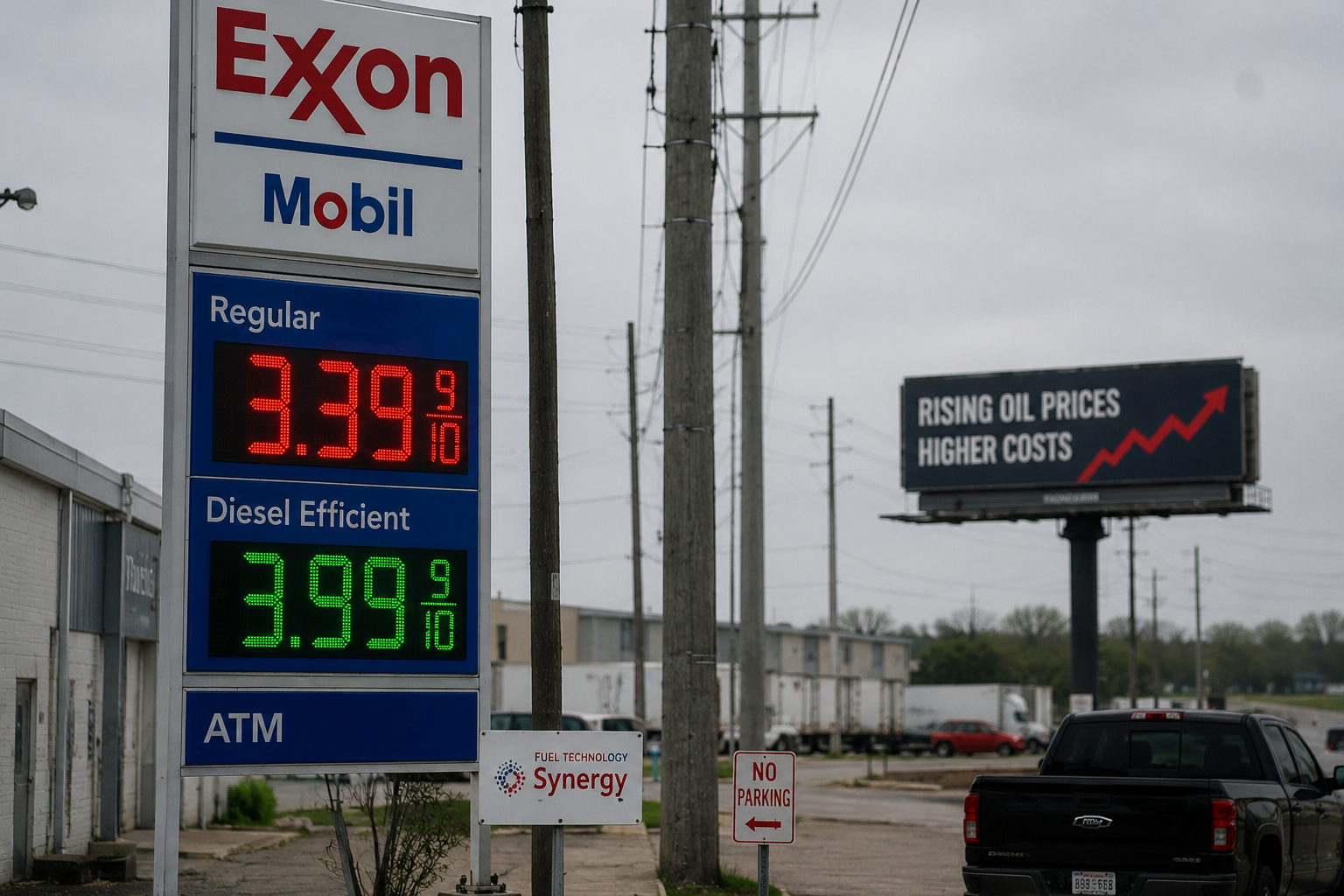
Friday priced the Fed pause. Monday repriced the barrel.
Oil jumped 5% to $82.10. The 10-year yield rose to 4.70%. Gold gained over 1%. The dollar index was higher by 0.28%
The rally lost its easiest support.
Last week, markets bought two ideas at once. Payrolls fell by 23,000, so the Fed had less room to hike. Hormuz looked closer to reopening, so oil had less room to rise.
Monday broke the second part.
Trump said the U.S. is only semi-negotiating with Iran. Tehran said Hormuz cannot fully reopen while the U.S. blockade remains. No deal was announced.
The oil discount was borrowed. The market gave part of it back.
The Market Is Already Looking Beyond the Mag 7
The Magnificent Seven reshaped the market, but leadership rarely stays concentrated forever.
As these giants mature, history shows leadership rotates toward companies with growing cash flows and scalable business models.
Our analysts believe that shift is already underway.
That’s why they created These 7 Stocks Will Be Magnificent in the second half of 2026, a FREE report highlighting the next group positioned to step into market leadership.
The Hormuz deal slipped again.
WTI rose above $82. Brent moved toward $88. That reversed last week's selloff, when Bessent said a freedom-of-movement deal could come soon.
The issue is still route control.
Iran says talks are with Oman, not Washington. It wants sanctions relief, reparations, and control over shipping terms. Washington wants no permissions, no tolls, and no impediments.
Prediction markets tracked the delay. A U.S. announcement ending the Iranian blockade by August 22 sits at 18%. August 31 is 33%. September 30 is 57%. December 31 is 79%.
That is not a clean near-term reopening.
The Slipped Deal
The market priced a route. Iran priced leverage. Those are different trades.
Wednesday's CPI now has to clear a new oil tape.
Kalshi traders lean cooler than economists. They see less than a 55% chance headline CPI tops 3.3% year over year, and only a 15% chance it tops 3.4%. Core CPI above 2.4% sits near 47%. Core above 2.5% sits near 11%.
That helps the hold case.
But the print covers July. It does not cover the Jazan refinery strike. It does not cover Iran naming its price. It does not cover Monday's oil jump.
The Fed market reflected both sides. September no-change sits at 55%. A 25 basis point hike is 44%. October no-change is 68%, with a hike at 25%. December no-change is 59%, with a hike at 33%.
The CPI Lag
A soft print can buy time. It cannot price a barrel that moved after the month closed.
The REAL Reason Trump Is Invading Iran
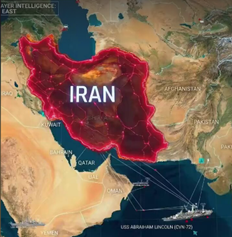
For a moment…
Forget about Trump’s ties to Israel.
Forget about reports of Iran’s nuclear program.
Because my research has led me to believe we’re risking World War 3 with Iran for a completely different reason.
Click here to find out what it is.
If you have even a single dollar invested in the U.S. stock market, this is going to directly impact you.
The stock tape stayed narrow.
Intel (INTC) fell after announcing a $15 billion common stock offering, its first public share offer since 1971. Nvidia (NVDA) and Apple (AAPL) each dropped, around 3% and 1.5% respectively. Tech dragged the Nasdaq lower as the broader tape stayed close to flat.
The risk is not only dilution. It is funding.
The AI buildout still needs capital. Higher yields raise that cost. Higher memory prices raise the input bill. Higher oil raises the inflation bar under both.
The 10-year moved to 4.70%. The 30-year remains the silent problem near 5.20%.
Broadcom's custom AI chip story helped keep AI optimism alive. But the index did not trade like a clean rebound.
The Funding Line
The market can still like AI. It no longer gives the funding for free.
America's oil buffer is shrinking.
The Strategic Petroleum Reserve fell by 6.1 million barrels last week to 298.7 million. That is the first move below 300 million in more than four decades and the lowest level since 1983.
The reserve stood near 415 million barrels before the war. It is expected to fall toward 243 million once the current release is complete.
That matters because the SPR has been the shock absorber.
If Hormuz stays broken and oil rises again, the U.S. still has emergency barrels. It just has fewer of them.
The Buffer Test
Oil policy is spending inventory to buy time. The inventory is no longer deep enough to ignore.
I Became a Millionaire Here While I Was Still in College
This little-known building in Pasadena is where I learned about a kind of investment most people never get access to. Twenty years later, that same opportunity is wide open again. And it's all because of what's about to happen to OpenAI and Anthropic.
This ad is sent on behalf of InvestorPlace Media at 1125 N. Charles Street, Baltimore, Maryland 21201. If you're not interested in this opportunity, please click here.
Prediction markets kept growing into the rulebook.
The CFTC warned operators not to market contracts with American-style casino odds. The message was clear. Event markets can live under derivatives law, but they cannot look like sportsbooks.
That matters as legal pressure rises from states, tribes, and casino interests. The fight is not only over products. It is over presentation.
The CLARITY Act's chance of being signed in 2026 sits at 14%. That is another weak policy read for crypto and prediction markets.
The Boundary Line
Prediction markets want financial status. Regulators are telling them to stop borrowing gambling language.
Monday did not erase last week's rally. It tested the reason for it.
Payrolls still missed. The Fed still has a hold case. CPI may still come in tame. Those are real supports.
But the barrel came back before the inflation print.
That is the problem.
The market is trying to trade old data while the forward input moves. July CPI will tell us what happened before the refinery strike, before the SPR fell below 300 million, and before Hormuz talks slipped again.
The same split is visible in stocks. Labor says easier Fed. Oil says harder Fed. Tech funding says higher hurdle. Gold says keep the hedge.
The Old-Month Problem
The number that lands Wednesday is important. The market already knows it is late.
Monday answered Friday's rally with a warning.
What is priced: a softer labor market, a September hold near 55%, a cooler July CPI, and a blockade that ends by year-end.
What is not priced: no Hormuz deal by September, WTI holding above $85, the SPR falling toward 243 million barrels, or CPI relief getting cancelled by August oil.
The month closed before the shock.
The portfolio did not.
Capital moves early. Coverage catches up. The gap between the two is worth watching.
