


Palantir grew 93% and kept 63 cents of every dollar. Factory employment turned positive after 33 months. Input prices held at 71.
Monday produced two receipts for the same buildout. Only one was revenue.
Stocks rallied a third straight session to a record Dow close. The Nasdaq led, and cheaper crude did most of the work. WTI fell over 6% to near $79.
The bond market eased alongside it, with the 10-year at 4.68%. Gold gave back a second session and the VIX held under 16.
Then the data landed. Factory activity ran at its fastest pace in more than four years. The same survey showed input prices still deep in the seventies.
After the close, Palantir posted 93% growth. It raised the full year by nearly a billion dollars.
The buildout paid one company. The factory floor paid for it.
7 Buy-and-Hold Stocks You’ll Wish You’d Found Sooner
Not every great buy-and-hold stock is a household name. Our 7 Stocks to Buy and Hold Forever report includes under-the-radar leaders quietly dominating their niches - alongside global brands with unmatched staying power.
Together, they form a portfolio core that can produce rising income and steady growth year after year.
You can get the entire list free today… but only if you act before it moves behind the paywall.
Palantir turned 63 cents of every revenue dollar into cash.
Revenue reached $1.94 billion, up 93% from a year ago. Palantir Technologies (PLTR) beat the Street by over $130 million.
US commercial did the lifting. That line grew 149% to $764 million as pilots became production. Remaining deal value there reached $6.24 billion, up 124%.
Free cash flow came in at $1.22 billion, a 63% margin. Adjusted operating margin ran at 62%.
Then management raised the year. Full-year revenue guidance moved to roughly $8.15 billion from about $7.19 billion. One quarter added close to a billion dollars of expected sales.
Shares rose over 10% after the close. They are still down roughly 30% this year.
That gap is the entire story. July was not a verdict on this company's demand. It questioned what demand is worth when thirty-year money costs over 5%.
The Multiple, Not the Machine
The AI trade did not lose its customers. It lost its discount rate. Revenue answers the first problem and has no reach into the second. So a business compounding above 90% still trades a third below January. Growth got cheaper because capital got dearer.
American factories started hiring again after 33 months of cuts.
The ISM manufacturing index reached 55.6 in July, its highest since May 2022. Production jumped 6.3 points to 58.5.
Employment did the work that matters. It printed 52.8 against 49.7, the first expansion in 33 months. Sixty percent of panelists said their companies are hiring.
Backlogs and export orders both crossed back into growth. A factory sector rebuilding order books hires before payrolls show it. That puts Friday in a different light.
The prices index fell for a third month, to 71.1 from 73.0. Above fifty still means manufacturers pay more.
Kalshi's book on the next Fed meeting reads the same split. Three dissents and zero dissents price within two points.
The bond market declined to pick a side too. The 10-year eased anyway.
The Reopened Argument
Three officials dissented in July on inflation, not on labour. A hiring factory sector hands them the other half of the case. Wage costs are the input hardest to call temporary. The soft landing trade assumed labour stayed quiet.
You’re Being LIED To About The Iran War

Forget EVERYTHING you’ve heard about the Iran war.
Especially the reasons why we’re bombing the country.
Every print this week measures a cost, not a sale.
Advanced Micro Devices (AMD) reports after the close tonight. It guided to about $11.2 billion, near 46% growth. Its own finance chief flagged margin pressure from the Helios ramp. The margin line is the read here, not the revenue line.
Job openings land this morning. ADP follows Wednesday and payrolls close the week. Each one prices labour rather than demand.
July's inflation print arrives the following week, carrying July's barrel. Crude ran 21% higher last month. Kalshi prices core above headline in July near one in a hundred. The board reads July as energy-led.
Energy producers report through the week. ConocoPhillips (COP) and its peers reset the baseline the ceasefire just repriced.
Different causes, one calendar. They meet in September.
The Shared Deadline
None of these releases is about growth. They are about what growth costs to deliver. A split committee gets four readings before it votes. Calendars do not compromise.
"Easing" is a direction. Seventy-one is a level.
The prices index has fallen three months running. It still sits at 71.1. Above fifty means manufacturers still pay more.
The composition explains that gap. Pricing volatility filled 57% of the negative comments in the survey. The Iran war filled 43% and tariffs 18%.
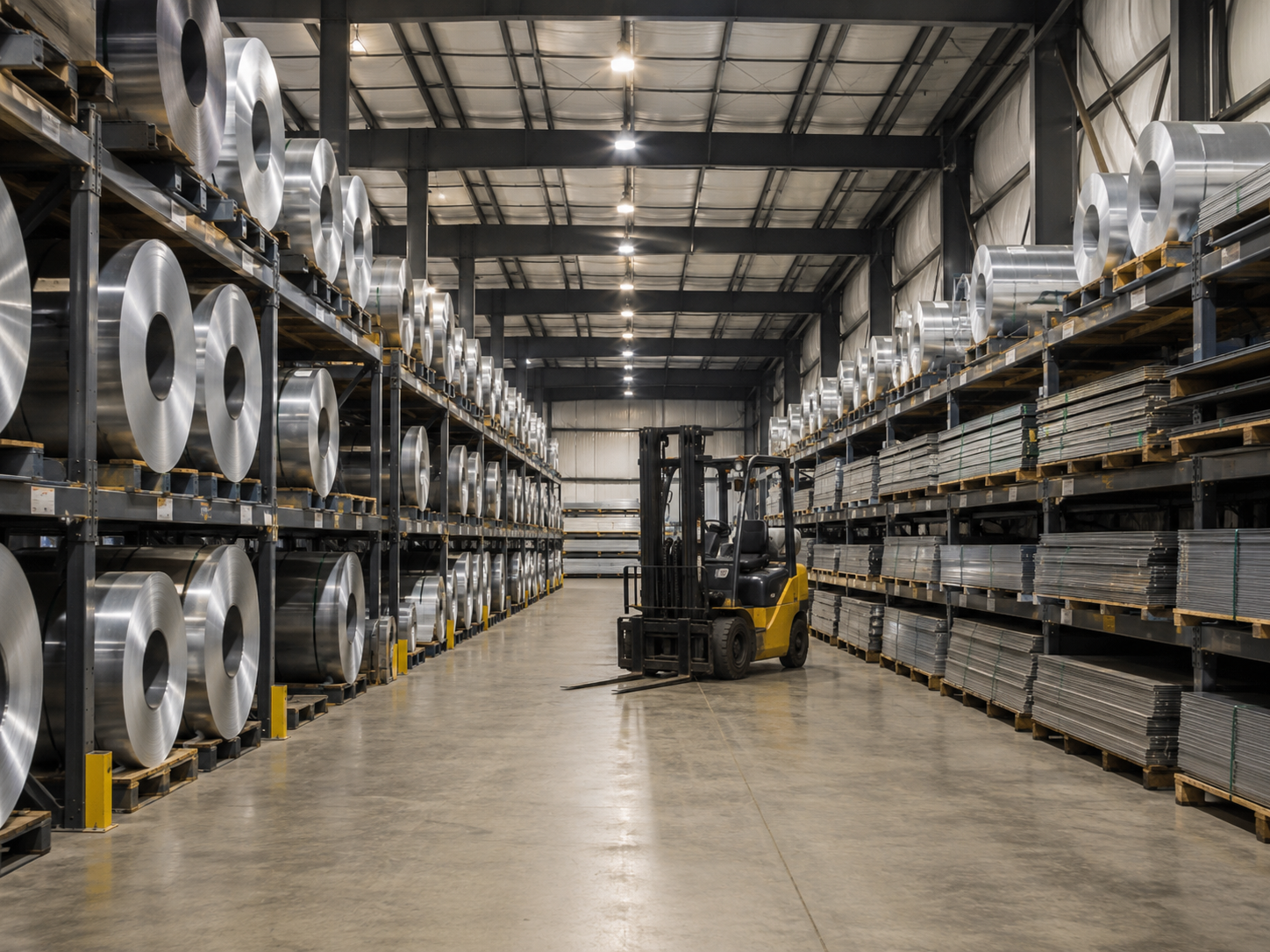
One respondent called pricing and lead times worse than the pandemic era. Circuit board components have risen 5% to 25%. Bare boards have run as high as 45%. Aluminium has climbed for 32 straight months.
The barrel and the war premium both fell this weekend. Metals, boards and freight did not.
That split lands directly on the buildout. Palantir sells software and keeps 63 cents. Everyone assembling the hardware buys those boards.
The limiting variable is not the oil price. It is whether the non-energy half of the cost stack slows.
The Half That Didn't Move
Relief arrived in the part of the cost base that always reverses. What remains is tariffs, metals and boards. None of them price off a ceasefire. That is the half the Fed has to sit through. Cheaper crude buys time, not disinflation.
Why are companies flying spy planes over Elon's closely-guarded AI lab?
Elon did the seemingly impossible – far faster than anyone expected...
And it's sent the tech industry into PANIC MODE.
ChatGPT, Claude, Google Gemini, and DeepSeek could soon become obsolete.
And three little-known firms could soar 10X or higher as a result.
Monday priced the relief. The week prices the cost.
Priced already: cheaper crude, an easier long end, a soft payroll.
Not priced: a factory sector hiring after 33 months. Or an input index still in the seventies. Or a chip margin guide that lands tonight.
ISM printed at 10:00 ET on Monday. Palantir printed after the close. Same buildout, six hours apart, two ledgers.
One of those numbers pays shareholders. The other pays the Fed's hawks.
Capital moves early. Coverage catches up. The gap between the two is worth watching.
