


The economy lost 23,000 jobs. Unemployment fell for the wrong reason. September hold odds jumped. Software and Airbnb carried the bid.

The jobs number broke. The tape bought it.
The Nasdaq rose 1.3%. The S&P gained 0.62%. The Dow added 0.28%. The VIX fell 1.65% to 14.9.
The 10-year yield eased to 4.65%. Oil fell to $77. Gold jumped 2.4%. The dollar was weaker.
That is the surface.
Underneath, Friday was bad news turned into rate relief.
The economy lost 23,000 jobs in July. The market expected a gain near 80,000. The unemployment rate fell to 4.1% from 4.2%, but that came from lower participation, not labor strength.
Participation fell to 61.4%.
The tape looked through the damage because the Fed path changed.
September no-change moved to 63%. A 25 basis point hike fell to 37%.
The morning asked which Fed camp could claim the number.
The close said the doves got it first.
The Big AI Story Nobody Knows
|

There's a website called RentAHuman.ai. Its tagline: "Robots need your body."
721,000 people across 100 countries have signed up.
And according to Alexander Green - the man who bought Apple under $1, Netflix at $1.62, Amazon under $2* - this is the clearest signal yet that Phase 2 of the AI supercycle has arrived. (Split adjusted prices)
He's identified three companies set to dominate this next phase.
This was a weak labor print, not a clean soft landing.
The headline loss was the first shock.
The composition was worse.
Long-term unemployment fell by 64,000 to about 1.8 million. On paper, that looks better. In practice, economists read it as workers giving up the search. People only count as unemployed if they are still looking.
That is why the unemployment rate can fall while the labor market weakens.
The pattern fits the week. Challenger showed layoffs at a two-year low. Claims held at 199,000. ADP showed only 44,000 private jobs. Now payrolls showed a loss.
Low firing did not mean strong hiring.
It meant frozen payrolls.
The Low-Hire Tape
Nobody is being shown the door. Nobody is being let through it either. That is not strength. It is stall speed.
The Fed path shifted, but did not settle.
Before the report, September was closer to a coin flip. After it, the hold became the base case.
Polymarket prices no-change in September at 63%. A 25 basis point hike sits at 37%. October no-change is 68%, with a hike at 24%. December no-change is 59%, with a hike at 30%.
A Fed hike in 2026 now sits at 54%.
That is down, but not gone.
The next test is CPI on August 12. That matters because the Fed’s hawks still have inflation, energy, and tariffs. Oil is still near $77. Iran still wants terms on Hormuz. Core prices have not returned to target.
The jobs miss delayed the hike case.
It did not kill it.
The CPI Gate
Labor bought the Fed time. Inflation decides whether it gets used.
Hidden in Tesla's Filing: A $12 Billion "Super Startup"
Pull up Tesla's most recent SEC filing. Page 5.
And you'll see a single line showing $12 billion in revenue from a brand-new "super startup" Elon Musk has been quietly incubating inside Tesla.
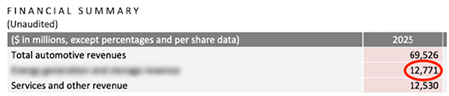
This new "super startup" has nothing to do with cars or robots or space or AI…
But it sits at the center of what Blackstone calls "a $23 trillion investment opportunity."
And on Oct 21st, Elon is expected to pull back the curtain and reveal exactly what he's building.
But Adam O'Dell already knows… and he reveals it all in this urgent video.
The stock market picked the sectors that benefit from lower hike risk.
Software led the bid.
Atlassian (TEAM) jumped 35%. Cloudflare (NET) rose 5.5%. Twilio (TWLO) rallied after strong guidance. Airbnb (ABNB) surged 17.4% after beating estimates.
That is the rate-relief trade.
Lower yields help duration. Slower labor helps the hold case. High-growth software gets the first bid when the Fed looks less likely to tighten.
The broader week still looks strong. The S&P is up more than 3% for the week. The Nasdaq is up nearly 5%, helped by the chip rebound.
But Friday’s rally was not built on stronger growth.
It was built on a weaker labor report.
The Relief Trade
The market did not buy a better economy. It bought a Fed with less room to hike.
Hormuz stayed unresolved.
Markets spent the week buying every deal headline. Bessent said a deal could come within hours. Trump said it could come by Wednesday or Thursday. Oil fell. Stocks rallied. Yields eased.
No agreement arrived.
Iran denied direct talks with Washington. Tehran said it was only discussing shipping arrangements with Oman. Then Iranian state media reported a draft plan with restrictions on U.S. and Israeli ships and terms for other hostile vessels.
Washington rejected that frame.
The U.S. wants no permissions, no tolls, and no impediments. Iran wants control or fees.
Oil rose on Friday as traders waited for the next version of the deal.
WTI sits near $78. Polymarket gives an 82% chance WTI touches $75 in August, but also a 74% chance it touches $80. Less than $70 sits at 54%.
The Terms Gap
The market keeps buying the headline. The route still has no clean terms.
Louis: The "Strawberry Problem" Is Stalling the AI Revolution

Billion-dollar tech investor Louis Navellier calls it "AI's darkest secret." Until AI models solve the "Strawberry Problem," they'll never create new breakthroughs in medicine, energy, or quantum computing. The good news? One company is about to solve the crisis… unleashing a new $100 trillion opportunity.
This ad is sent on behalf of InvestorPlace Media at 1125 N. Charles Street, Baltimore, Maryland 21201. If you're not interested in this opportunity, please click here.
Friday gave the tape the number it wanted, but not the economy it needed.
A strong payroll print would have kept the hawks alive. A modest print would have kept both sides arguing. A negative print handed the market a cleaner Fed story.
But it came with a cost.
The labor market is not firing. It is freezing. Participation is falling. Long-term unemployed workers may be leaving the search. Hiring outside steady sectors looks thin.
That is why the rally needs care.
Rate relief helps software. It helps long-duration growth. It helps the S&P 8,000 trade. But if hiring keeps weakening, the market will have to decide when bad news stops being good.
The Line Between Relief and Risk
One weak jobs report lowers hike odds. A string of them lowers earnings.
The week ended on the number it spent five days arguing about.
The economy lost 23,000 jobs. The unemployment rate fell to 4.1% because fewer people were in the labor force. September hike odds fell. Stocks rose.
What is priced: a September Fed hold, lower hike pressure, software leadership, and a second straight winning week for the major indexes.
What is not priced: CPI reviving the hike case, Hormuz talks failing again, oil moving back above $80, or labor weakness turning from rate relief into earnings risk.
Nobody was shown the door.
Nobody was let through it either.
The tape bought the pause.
The economy printed the warning.
Capital moves early. Coverage catches up. The gap between the two is worth watching.
