


WTI holds near $82 as strikes reach day 10 and a new Houthi front opens. Yields eased toward 4.5%. Megacap earnings land midweek.
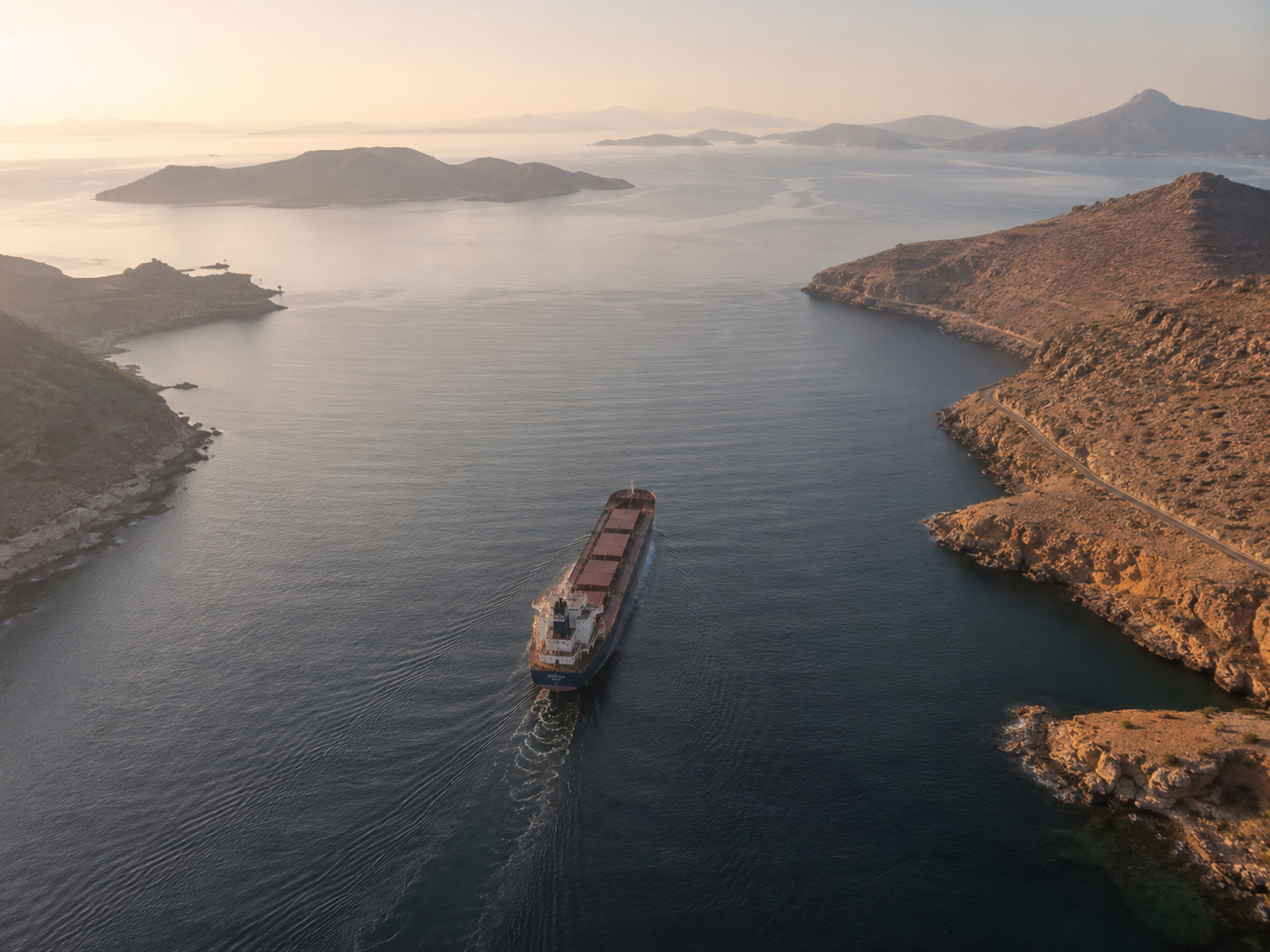
The tape leaned into calm. The map kept splitting.
Futures pointed higher this morning, with chips leading the bid again.
Nasdaq futures rose over 1.3%, and small caps firmed too. The VIX slipped toward 17.5 as gold hit records. The 10-year yield eased near 4.5%. Oil pulled back from its five-week highs.
That surface reads like relief.
Underneath sits a tenth day of strikes and a new front. Asian chipmakers had already led the bounce overnight. Traders looked past the risk toward earnings.
Can a calmer premium hold while the risk map widens?
Why Bill Gates, Jeff Bezos, Google, and Microsoft Are All Betting on the Same Technology
They didn't coordinate. They arrived independently. And they all landed on the same conclusion...
That the AI revolution depends on this technology... which could see an explosion in interest this August as a key government deadline is scheduled...
And one small stock is at the center.
Click here for the full story on the technology Big Oil tried to ban.
A second chokepoint entered the oil map.
Oil should have jumped, but it eased instead.
Brent slipped toward $89 and WTI held near $82. Both sat below Monday's five-week highs. The pullback came on fresh mediation talk. Reports point to a proposed ten-day pause. The market keeps fading the worst case.
Still, crude has climbed near 20% this month. The trend is up, and the tape just paused.
Because the risk did not shrink, it spread. Strikes reached a tenth straight day, and Iran fired on Kuwait. The Houthis declared an embargo on Saudi shipping.
That pushes pressure past Hormuz toward the Red Sea. A drone strike even halted loading on the Black Sea.
Contracts priced the wider map. Bab el-Mandeb closing odds sit near 20% by fall. Year-end odds sit near 35%. Hormuz normalizing by late August holds near 15%.
The premium eased while the chokepoints multiplied.
The Second Front Oil stopped pricing one waterway and now prices a system. The Red Sea threat opens a route the Gulf premium never covered. Drawn-down inventories leave a thin cushion. A single closed lane reprices the whole curve fast.
Cooler prices met an energy anchor.
Inflation gave the market a real break this month. June prices fell more than expected, and yields drifted lower. Odds of a July hike had already dropped sharply. The near-term path looked settled.
But energy is the missing piece here. High oil has not passed into core prices yet. That pass-through is the risk. Gasoline sits back near $4 as crude runs higher. The oil front feeds straight into inflation.
So the Fed stays anchored for now. The July meeting prices a hold above 90%. Traders see no cuts this year near 80%. Chair Warsh keeps the policy tone hawkish. A cut is not the debate, but a later hike still is.
The Frozen Path The soft print looked like an opening. The oil front shuts it again. Rate relief needs energy to cooperate, and it will not. The same waterways driving the lead signal now pin the curve. The path is not easing but frozen.
I Became a Millionaire Here While I Was Still in College
This little-known building in Pasadena is where I learned about a kind of investment most people never get access to. Twenty years later, that same opportunity is wide open again. And it's all because of what's about to happen to OpenAI and Anthropic.
This ad is sent on behalf of InvestorPlace Media at 1125 N. Charles Street, Baltimore, Maryland 21201. If you're not interested in this opportunity, please click here.
The bid that lifted chips now faces its test.
The same risk-on tone lifted more than oil hopes. It lifted the chip trade too. But this bid meets a verdict this week. Analysts call it the first real capex test.
Alphabet (GOOGL) and Tesla both report midweek. Intel follows a day later, and Texas Instruments reports tonight.
Roughly $180 billion in AI spending needs proof. The question is whether revenue keeps pace. The layoffs signal adds to the strain. Kalshi puts more tech cuts this year near 90%. Efficiency is now part of the story.
And oil sits over all of it. A fresh spike would swamp any beat.
The Proof Week Chips led the tape on hope, not results. This week that hope has to clear. The capex bet needs cloud growth to justify the spend. The oil front taxes every beat. Momentum now waits on proof.
The market fades strikes because none has closed a lane.
Look closer at the fade, because it is not blind. Every strike so far disrupted flow, yet none fully closed a lane. Oil still moved through Hormuz despite the strikes. So the market prices disruption, not rupture. That read has held for weeks.
Traders even see operations pausing by late summer, near 65%. The base case stays contained conflict.
But the Red Sea now changes the math. A Saudi embargo is a new kind of threat. It targets a route that bypasses Hormuz. Inventories have thinned, so the cushion is smaller.
The Rupture Line The fade is a bet on lanes staying open. That bet has paid so far. The limiting variable is not the strike count. It is the first fully closed chokepoint. Cross that line, and disruption becomes rupture.
AI CEO Issues Code Red: Prepare for Meltdown
The CEO of this AI company (click here to get the name, 100% free) just issued a CODE RED in an internal memo…
Warning his employees that they’re dealing with a critical situation.
Another company executive even implied they might need a government bailout.
And now Jim Rickards is predicting this company is about to go bust, in a full-blown AI meltdown that could be 10 times bigger than Lehman Brothers.
The map widened. The premium did not follow.
Timestamp the setup for the week. Day ten of strikes. A new Red Sea front. Earnings midweek, with the Fed a week out.
What is priced looks familiar. A July hold, a firmer chip bid, and an eased oil premium.
What is not priced runs longer. A closed second lane could hit. A big earnings miss could land. A fresh oil spike could follow.
The tape chose calm this morning. The risk map chose to widen. One of them has to give.
Capital moves early. Coverage catches up. The gap between the two is worth watching.
