


Friday brings the payrolls print. Disney, Uber, Eli Lilly, AMD, Palantir, and Berkshire all report. The buildout just got repriced. Now the labor market tells the Fed if the consumer can carry it.
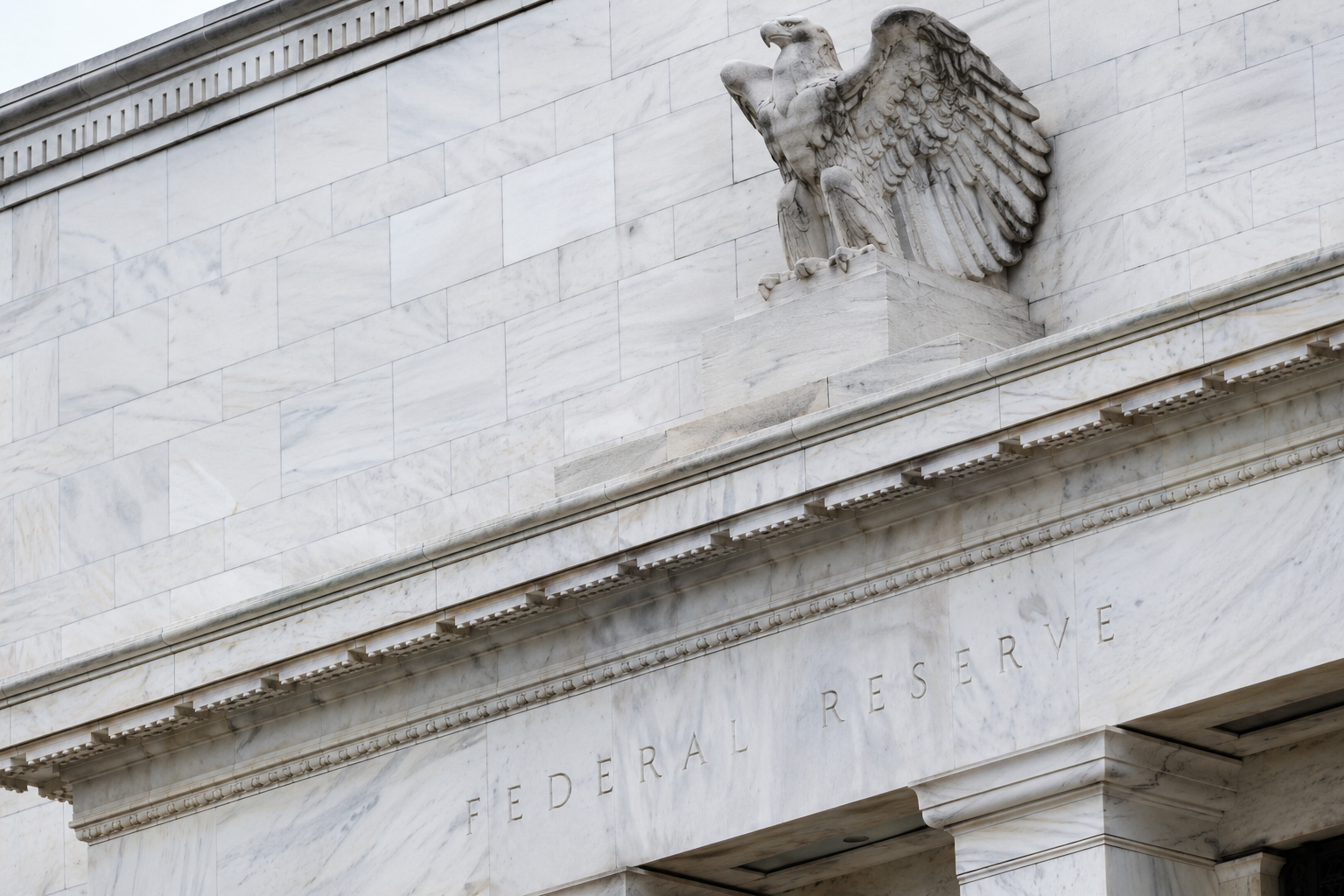
Last week the bill came due.
The Fed voted 9-3 to hold rates. Three officials wanted a hike. The 30-year Treasury cleared 5.2%, its highest since 2007. Microsoft (MSFT) added about $450 billion in market value in one day. Meta (META) fell 9% in the same hour. Amazon (AMZN) lifted its 2026 capital plan to $220 billion and reported negative free cash flow. Apple (AAPL) beat every line and still fell 6% because memory pricing cut its margin.
The market spent the week separating what pays for the buildout from what does not.
Now the labor market tells the Fed whether the consumer can carry it.
Friday brings the July jobs report. That is the main event. ISM Manufacturing lands Monday. ISM Services lands Wednesday. JOLTS opens Tuesday. ADP reports Wednesday. Nonfarm productivity and unit labor costs hit Thursday.
Earnings stay heavy. Berkshire Hathaway (BRK.B), Palantir (PLTR), Advanced Micro Devices (AMD), Eli Lilly (LLY), Disney (DIS), Uber (UBER), McDonald's (MCD), Caterpillar (CAT), and dozens more report across five sessions.
The Fed just showed three hawks. The labor market will decide whether they get more company.
Here are the six tests that matter.
SpaceX IPO has come and gone. Here’s what’s next
The SpaceX IPO is officially the largest IPO of all time – setting records by raising a total of $85.7 billion and making Elon Musk a trillionaire. But the excitement over IPOs doesn’t stop with SpaceX – and we’ve identified six more IPOs to watch as we head into the second half of the year.
These IPO candidates have been identified by our analysts as being positioned at the front of the next wave of IPOs. We compiled the data into a report for you:
The Seven Hottest IPOs On Wall Street’s 2026 Watchlist
The report is free for a limited time.
Does the Labor Line Confirm the Fed Dissent?
Friday's jobs print is the week's center of gravity.
Three Fed officials dissented for a hike this week. That vote was built on inflation risk, not labor market weakness. A strong payroll number would validate them. A weak one would not.
The market watches three numbers. Nonfarm payrolls should show whether hiring held after two months of softer prints. The unemployment rate reads the household side. Average hourly earnings feed the Fed's core inflation concern directly.
Last week's data set the stage. Core PCE ran 3.3% year over year. Growth slowed to 1.5%. The savings rate fell to 2.7%, its lowest in four years. If wages accelerate into that, the Fed's inflation credibility fight gets harder.
What to Watch
A hot wage number with steady payrolls gives the hawks more ammunition. A soft number with slower hiring shifts the conversation to whether the Fed already went too far.
Does ISM Confirm the Cost Stack?
ISM Manufacturing lands Monday. ISM Services lands Wednesday. Both carry input cost readings that give the Fed a live inflation signal.
Manufacturing has been in contraction most of the year. The input cost component ran near 60 last print. If it stays there while the headline stays weak, the cost stack is showing up without volume. That is the stagflation risk in a single reading.
Services is the bigger tell. It carries about two-thirds of the economy. If services input costs rise while activity slows, the Fed's services inflation fight gets harder. If both cool together, September hike odds ease.
Every one of last week's cost pressures flows through ISM before it hits PCE.
What to Watch
Pricing pressure above 60 on both components keeps September a live meeting. Below 55 on both would give the Fed room the dissenters just took away.
Hidden in Tesla's Filing: A $12 Billion "Super Startup"
Pull up Tesla's most recent SEC filing. Page 5.
And you'll see a single line showing $12 billion in revenue from a brand-new "super startup" Elon Musk has been quietly incubating inside Tesla.
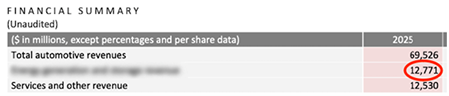
This new "super startup" has nothing to do with cars or robots or space or AI…
But it sits at the center of what Blackstone calls "a $23 trillion investment opportunity."
And on Oct 21st, Elon is expected to pull back the curtain and reveal exactly what he's building.
But Adam O'Dell already knows… and he reveals it all in this urgent video.
Do JOLTS and ADP Preview a Softer Friday?
Tuesday brings JOLTS job openings. Wednesday brings ADP employment. Both give the market a preview of Friday.
JOLTS has been falling for months. Openings ran 7.4 million last print. If they drop below 7 million, the labor market is loosening faster than the Fed acknowledged Wednesday.
ADP has been running well below the payroll trend. If it softens further, Friday's number is at risk.
Thursday adds unit labor costs and nonfarm productivity. Productivity has been the quiet story of this AI cycle. If it stays strong while labor costs cool, the Fed gets the picture it wants. If both go the wrong way, the boxed room from Wednesday tightens further.
What to Watch
JOLTS below 7 million and ADP under 50,000 would set the market up to fade Friday. JOLTS above 7.5 million and ADP above 100,000 would set it up to trust the hawks.
Do AMD and Palantir Extend the Split?
The buildout question does not stop with the megacaps.
AMD reports Tuesday. Palantir reports Monday. Both test whether last week's split between paid growth and charged growth extends into the next layer of the AI trade.
AMD comes in after chips extended a fourth straight decline last week. SMH lost more than 10% for the week. The company's data center segment carries the AI story. If AMD guides higher on data center with clean margins, the market keeps paying for AI spending. If it raises capex or signals margin pressure from memory pricing, it joins the charged side.
Palantir tests the software side. Government revenue has been the growth engine. Commercial has been slower. The market wants both accelerating. Any deceleration in commercial guidance will be read against the AI adoption thesis.
Eli Lilly reports Thursday. GLP-1 demand and manufacturing capacity are the story. Lilly does not compete with the AI trade. It does compete for capital.
What to Watch
AMD is the cleanest AI supply chain read this week. Palantir is the cleanest AI software read. Lilly is the cleanest defensive growth read.
ICE. The Epstein Files. Tariffs.
That’s what the media wants you to focus on.
But behind the scenes, it seems President Trump is quietly preparing something far more shocking — that will leave even his most loyal MAGA patriots stunned.
It’s NOT being debated on cable news or on X.
But it could make you enormously rich in the second half of 2026.
Does the Consumer Layer Absorb the Cost Stack?
McDonald's, Marriott (MAR), Booking Holdings (BKNG), Airbnb (ABNB), Disney, Uber, DoorDash (DASH), Electronic Arts (EA), CVS (CVS), and Kraft Heinz all report this week.
Last week Sherwin-Williams and Coca-Cola beat and raised. Ford beat and raised. Visa guided softly. This week has four more consumer layers reporting.
Travel and leisure read the discretionary consumer. Marriott, Booking, and Airbnb read premium travel. If premium holds while lower-end travel slows, the K-shape is now documented across airlines, hotels, and platforms.
Fast food and quick-service test the trade-down consumer. McDonald's guides on same-store sales, average check, and traffic. If traffic softens while check rises, the low end is under pressure.
DoorDash reads gig economy consumption. Uber does the same. If order volumes soften while take rates rise, the consumer is paying more for less.
Disney tests streaming, parks, and advertising in one report.
What to Watch
Premium travel and quick-service traffic are the two cleanest K-shape reads this week. Divergence between them keeps the split intact.
Do Energy Names Reset the Oil Baseline?
Diamondback Energy (FANG), Occidental (OXY), ConocoPhillips (COP), Marathon Petroleum (MPC), Phillips 66 (PSX), and Cheniere (LNG) all report this week.
The energy tape had two directions last week. Brent broke $90 midweek on the Iran attack, then eased into the weekend on de-escalation talk. WTI settled near $83.
Energy earnings determine whether last week's oil move becomes a new baseline or fades as a temporary geopolitical premium. Steady guidance with buybacks and dividends supports the current range. Any capex cut or production warning would reopen the supply premium the Iran pause partly closed.
What to Watch
The tone of the group matters more than any single print. Confidence in current pricing keeps oil where it is. Caution reopens the war premium the market just faded.
Porter Stansberry's Critical New Warning:
Trump Is Replacing The U.S. Dollar
"The last time America reset its money, it created 1,300 millionaires every day. This could be bigger."
Last week the buildout showed who pays and who charges for it.
This week decides whether the labor market gives the Fed room to hold or forces it to reconsider.
Friday's payroll number is the main event. ISM sets the cost stack read. JOLTS and ADP preview the labor picture. AMD and Palantir extend the split into the next AI layer. Disney, Uber, McDonald's, Marriott, and Airbnb read the consumer. The energy names test whether last week's oil range holds.
The market wants three things. A labor market that stays firm without accelerating wages. Inflation prints that cool without growth breaking. Earnings that raise the next quarter, not just the last one.
That is a narrow path.
Three Fed officials already voted for a hike. This week decides whether the labor line gives them more company or takes it away.
Last week priced the counterparty.
This week prices the consumer.
